Drawing & RFQ
What Information Is Needed to Quote a Custom Brass CNC Part?
Prepare a brass CNC part RFQ with aligned drawings, material requirements, quantities, inspection scope and a clear list of unresolved questions.
Read guide
Practical checklists for preparing brass-component drawings, selecting connections and reducing avoidable questions during quotation.

Engineering reading / English
Four guides to preparing drawings, comparing thread systems and agreeing inspection requirements before requesting a quotation.
Drawing & RFQ
Prepare a brass CNC part RFQ with aligned drawings, material requirements, quantities, inspection scope and a clear list of unresolved questions.
Read guideThreads & sealing
Compare NPT, BSPT and BSPP thread forms and sealing locations, then identify the mating interface information needed for a brass component drawing.
Read guideDrawing & RFQ
Check pipe-thread designations, mating interfaces, sealing features, inspection references and drawing revisions before releasing a brass part RFQ.
Read guideCNC quality
Define which cross-hole edges to inspect, acceptable edge condition, access, inspection method and records for a drawing-based brass component RFQ.
Read guideStandards and material guides provide a starting point. The approved drawing, mating parts, operating conditions and customer requirements define the final component.
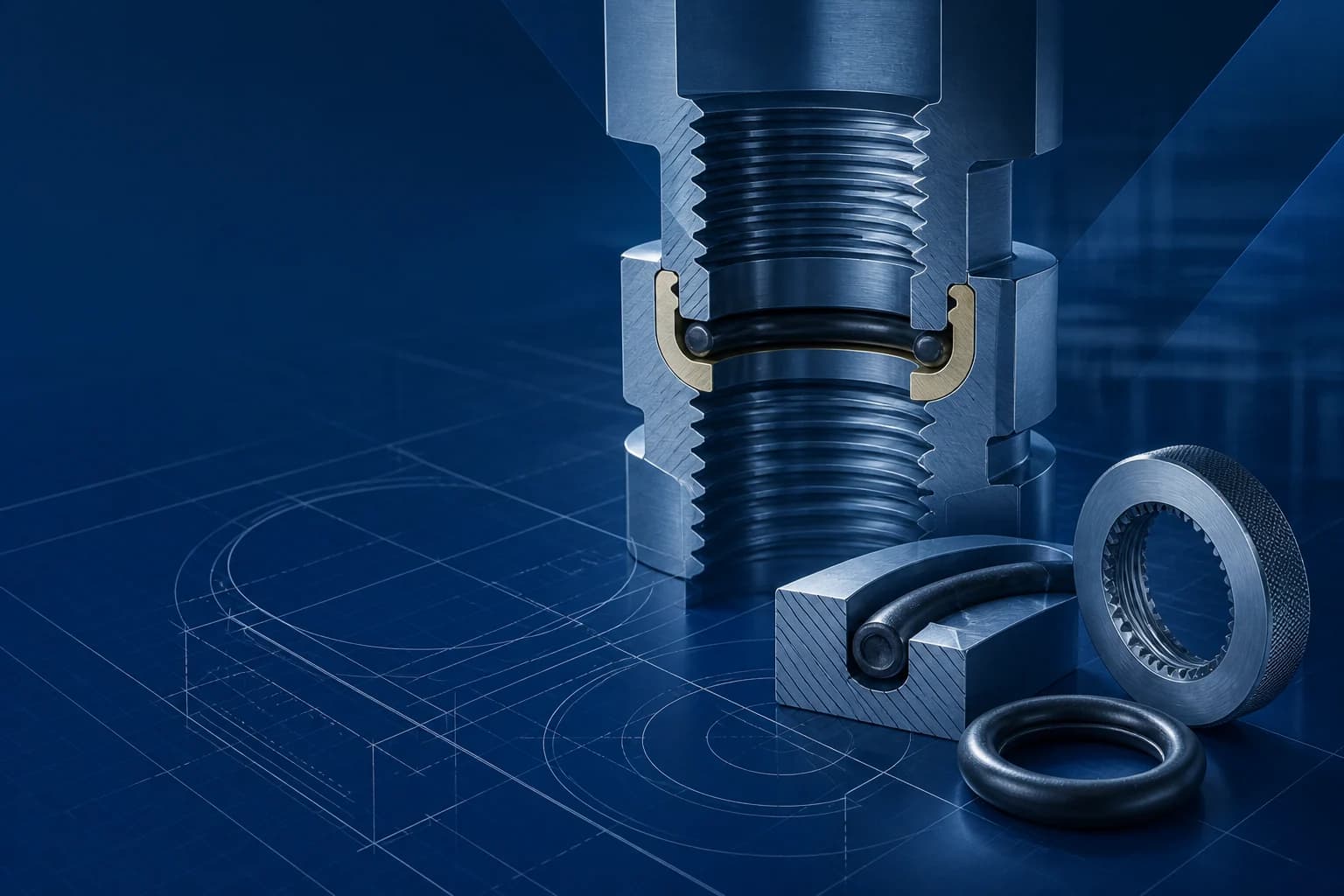
Compare NPT, BSPT, BSPP/G and metric callouts, mating interfaces, tube sizes and sealing methods before quotation.
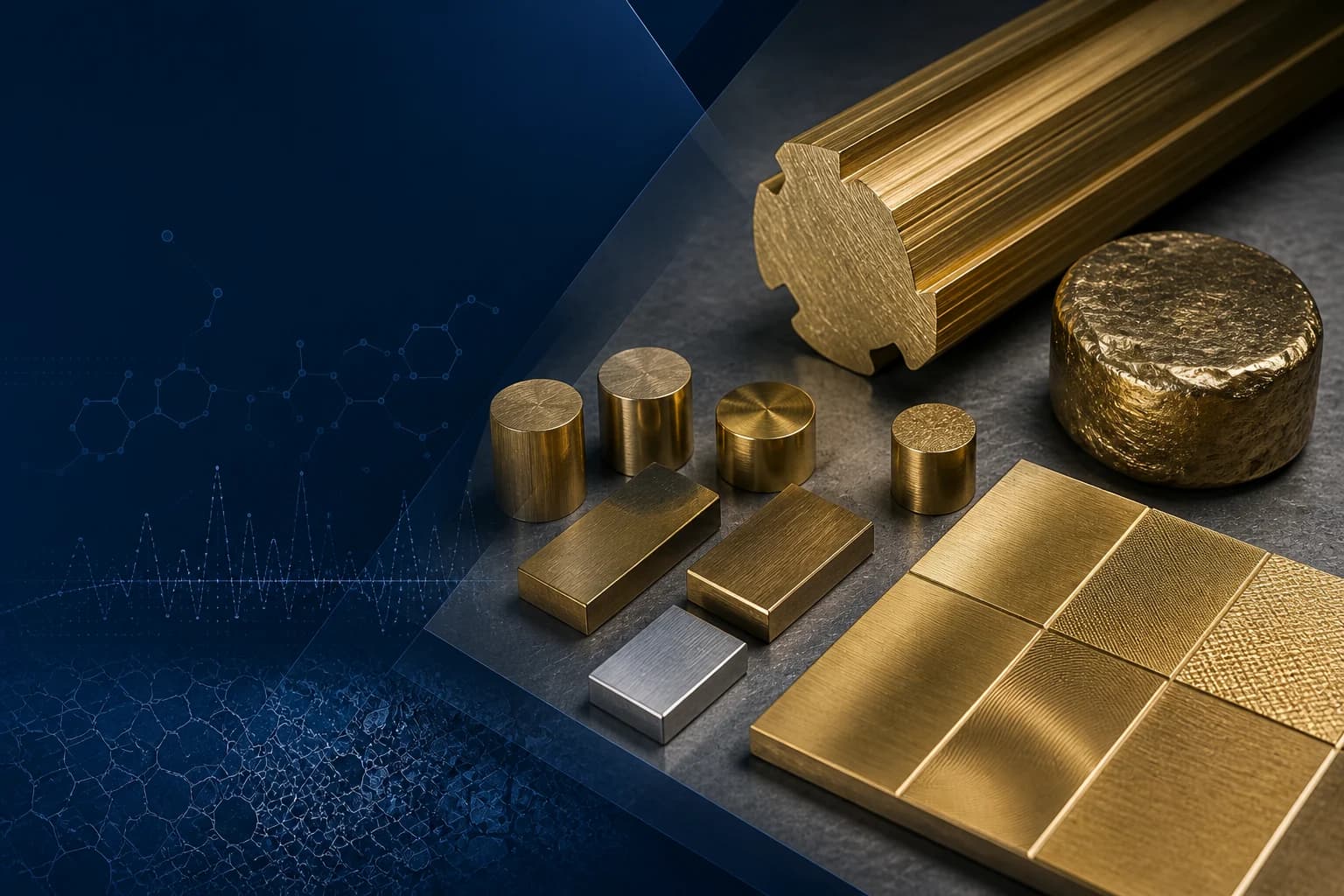
Review the medium, corrosion risk, machinability, restricted substances and customer standards before selecting an alloy.
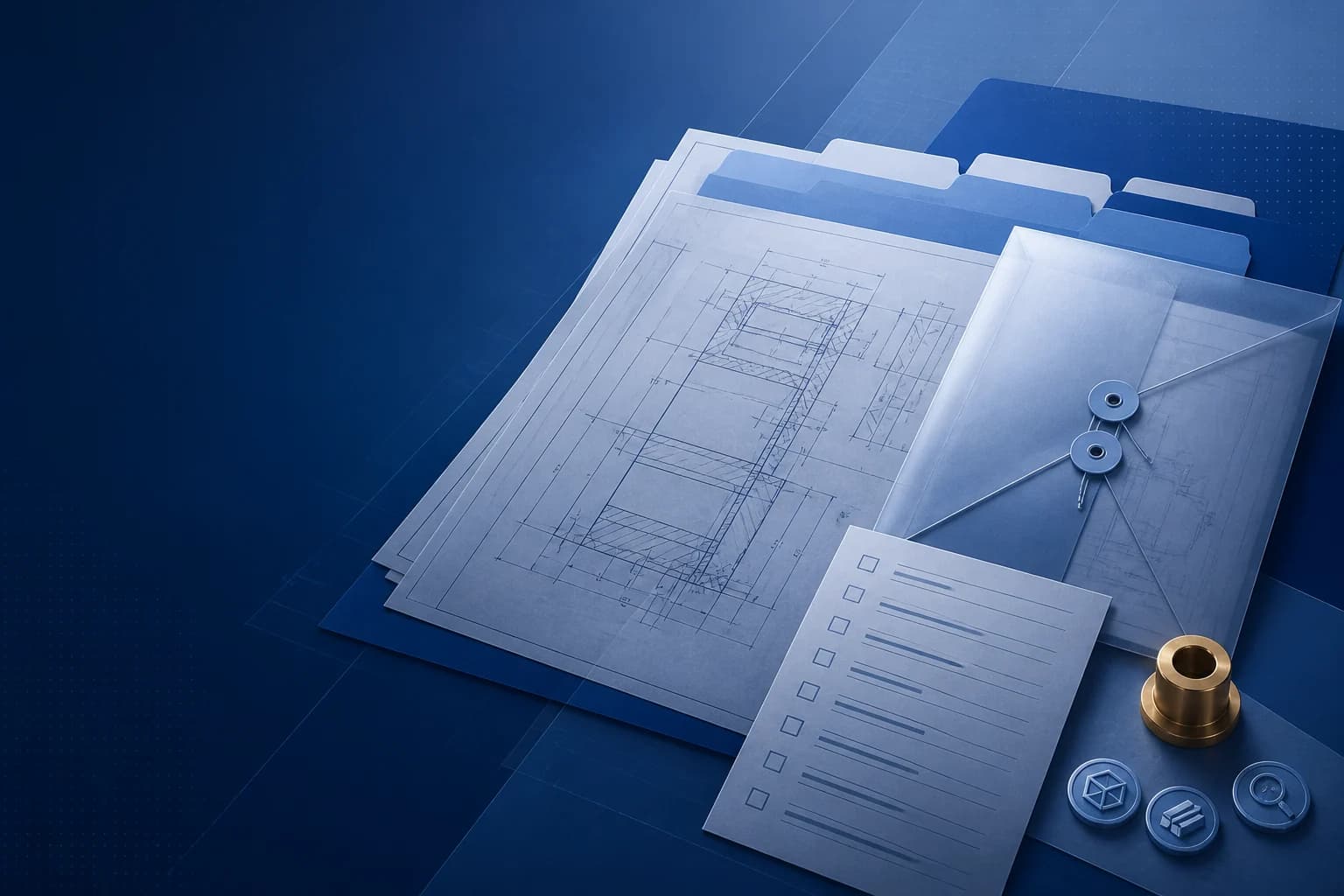
Define datums, threads, sealing faces, tolerances, finish, quantity and inspection requirements to reduce quotation uncertainty.

The exact method and record package are agreed during quotation according to the drawing and application risk.

Operating conditions and mating interfaces help define the material, geometry, inspection and responsibility scope for the part.
Practical checklists for preparing brass-component drawings, selecting connections and reducing avoidable questions during quotation.
Compare NPT, BSPT, BSPP/G and metric callouts, mating interfaces, tube sizes and sealing methods before quotation.
Send the available information. Missing technical decisions are identified before quotation.